On July 15, I will undergo heart surgery to address a serious problem with my mitral valve. I am 26 years old. Six months ago, cardiac surgery was nowhere in my plans.
About two years ago, I had the flu badly enough that I went to a clinic looking for some relief. The visit did not do much for the flu, but the person examining me heard what they described as a very mechanical-sounding heart murmur. That was the first sign that something else might be wrong.
I put off having it checked for a while. When I finally did, I was told that I had mitral valve prolapse. The problem did not appear severe at the time, and I understood that I would probably be fine as long as I did not develop symptoms.
The mitral valve helps keep blood moving in the correct direction through the heart. When it does not close properly, some blood can flow backward. Earlier this year, I began paying closer attention to frequent heart palpitations and a general feeling of lethargy. I decided to get a second opinion.
I am very glad that I did.
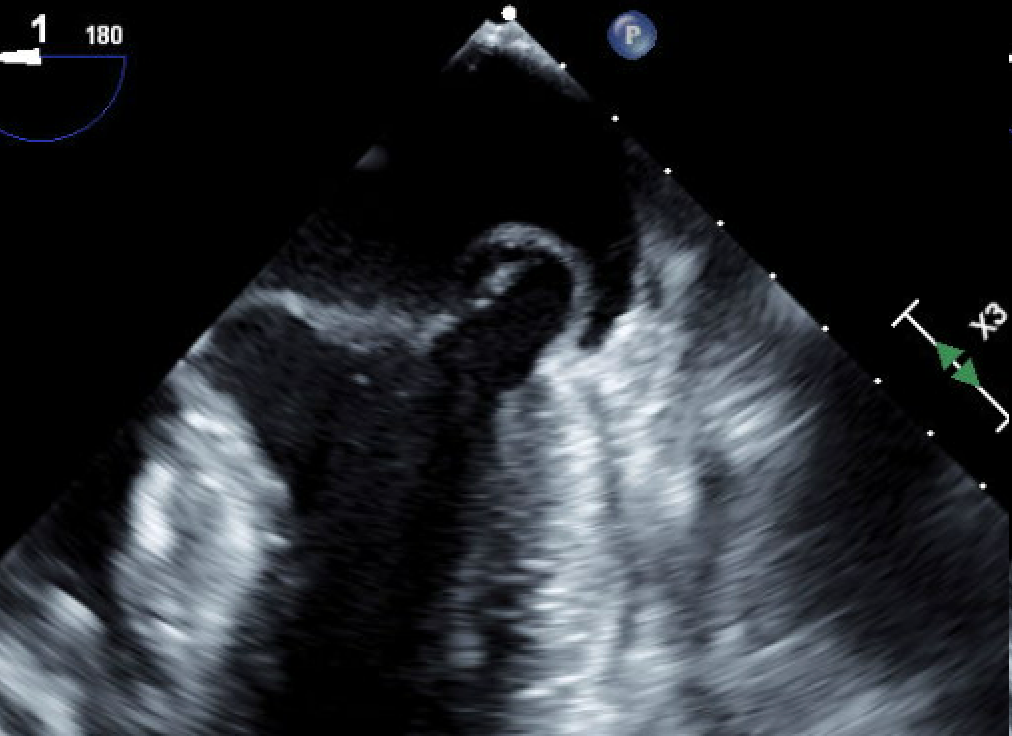
Additional testing showed that the valve problem was more severe than I had first been told. A transesophageal echocardiogram—an ultrasound taken through the esophagus to get a clearer view of the heart—confirmed severe mitral regurgitation.
A CT scan provided the surgical team with more information about the valve and the surrounding calcification.
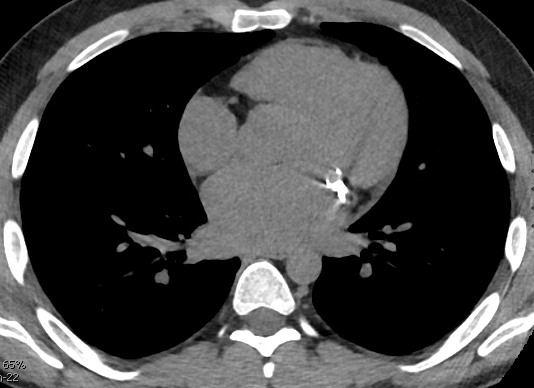
The plan is to address the valve surgically. A repair may be attempted, but I have been told that the condition of the valve and the amount of calcification mean a durable repair may not be possible. There is a strong likelihood that it will need to be replaced with a mechanical valve.
A mechanical valve is often chosen for a younger patient because of its durability and the possibility that it could last for the rest of the patient's life. The tradeoff is that it requires lifelong blood-thinning medication and careful, consistent monitoring.
When priorities become clear
We often talk about health as one priority among many: work, family, finances, projects, and plans for the future. An experience like this makes it clear that health is underneath nearly all of them. When it is threatened, everything else has to move around it.
That does not mean the other responsibilities disappear. It means accepting that some things have to wait, asking for help, and giving recovery the time it needs. Taking care of your health is not a distraction from the important work. Sometimes it is the most important work you can do.
I have also learned the value of paying attention when something does not feel right. Getting another opinion was not an act of distrust toward the first doctor. It was a decision to keep asking questions when my symptoms and the original answer no longer seemed to fit. That decision may have changed the course of my life.
Resilience is not pretending
The past several months have been stressful. The full picture arrived piece by piece: another appointment, another test, another conversation, and another change to what I thought would happen next. There has been plenty of uncertainty and plenty to fear.
Resilience, at least in this season, does not mean pretending that none of that is difficult. It means facing the facts, making the next decision, relying on the people around me, and continuing forward even when I would rather have a different plan.
I am grateful that this was found early in my life. I am grateful that I sought a second opinion, that I have good doctors, and that my family has been beside me throughout the process. I am also grateful for the timing of a new job at the end of last year that came with a full benefits package. That has eased a burden that could otherwise have made this experience even harder.
Heart surgery at 26 was not in my plan. I believe, however, that God has been at work even in the timing and provisions surrounding something I would never have chosen.
“And we know that for those who love God all things work together for good, for those who are called according to his purpose.” — Romans 8:28
I appreciate everyone who has reached out, encouraged me, and prayed for my family and me. We would be grateful for your continued thoughts and prayers as the surgery approaches and recovery begins.